
Coaching
One-on-one guidance for planning, troubleshooting, seasonal questions and deciding what to do next.

Personalized garden tools, practical learning, beautiful digital planners and local support for people who want a home garden that actually works.
Explore planning tools designed to help you understand your space, make confident garden decisions and move from idea to action. Start with My Garden to save your garden profile and bring your saved plans, plants and records together.
Open My Garden →No account needed. Saved in this browser.Personalize the site with your zone, frost window and planting context.
Organize beds, containers, sun pockets and the shape of your growing areas.
Estimate soil, compost, mulch and the material quantities behind each project.
Find strong planting partners and avoid combinations that compete or conflict.
Know what to focus on this week and this month based on season and growing stage.
Scan, identify, diagnose and get practical next steps for plant problems.
Check readiness for harvest, cutting, curing and kitchen use.
Find practical downloads, guides and learning resources in one organized place.
Organize seeds, trays, germination, transplant dates and succession sowings.
Record watering, feeding, observations, treatments and follow-up tasks.
Track yields, crop quality, storage and production across the season.
Keep supplies, shopping lists, purchases and garden spending organized.
Enter a ZIP code or use location to see a growing-zone result, frost dates, season length and timely planting ideas.
Start with the conditions that shape every other garden decision. Look up a U.S. ZIP code or enter a known growing zone, then understand the winter-temperature range behind that result. Use it to narrow plant choices before buying seeds, perennials or shrubs.
A hardiness zone is a starting point, not a complete planting forecast. Pair it with your garden’s sun, drainage and local frost guidance. Save your zone so the connected Perennial tools and My Garden dashboard can work from the same growing context.
Join the Perennial community and open our resource library for practical worksheets, guides and garden planning support.
A valid email is required before the resource folder opens.
 Plant Profile Sheet
 Houseplant Care Worksheet
Build a true-to-scale garden map with an expanded Garden Library plant catalog, mature-spread plant visuals, companion overlays, seasonal sun and shade, irrigation reach, structures, beds and saved layouts.
Turn an idea into a layout you can inspect before moving soil or buying materials. Set the garden dimensions, place beds and growing areas, and organize plants, paths, containers and structures in a drawing that reflects the space you actually have.
Compare mature plant spread, companion relationships, shade and irrigation reach while you revise. Start with one bed or plan a larger project; then save a named layout to reopen later. Your saved plans also appear in My Garden, keeping the drawing connected to your wider garden records.
Quickly estimate materials and quantities for beds and planting projects before you spend money.
Bring measurements to the shopping decision. Enter the dimensions and depth for your project to estimate the soil, compost or mulch involved. Explore spacing and planting quantities without relying on a rough guess made while standing in a store aisle.
Change one measurement at a time to compare options for a bed or container project. Treat the results as planning estimates, then check the bag size, product coverage and site conditions before ordering. The goal is a clearer materials list and fewer avoidable shortages or surplus supplies.
Choose the level of support that fits the project—from a conversation, to a planning framework, to installation.
One-on-one guidance for planning, troubleshooting, seasonal questions and deciding what to do next.
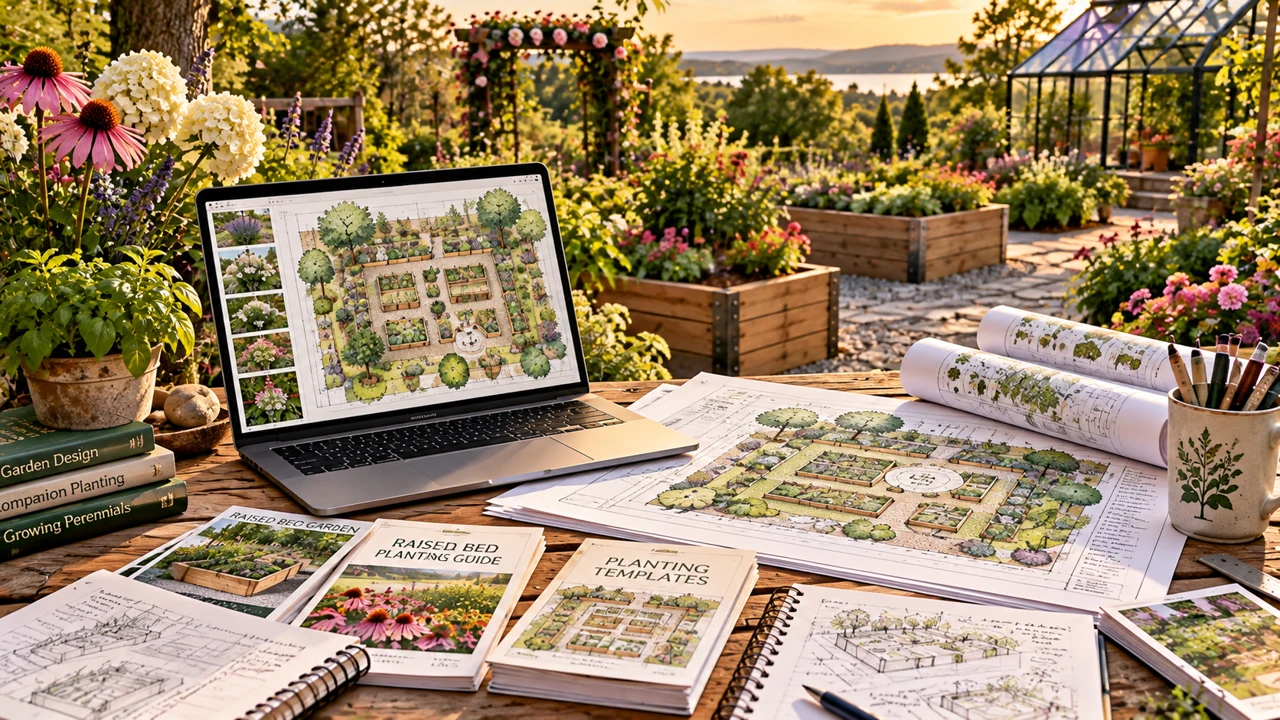
A clear garden layout framework, planting structure and implementation roadmap you can use to organize the project.

Local installation support for raised beds and edible-garden projects based on site, materials and project scope.
Search a plant and see strong companions, neutral neighbors and combinations worth avoiding, with plain-language explanations.
Look at the relationships within a planting plan, not just a list of plants you like. Search for a crop or garden plant to review possible companions, neutral neighbors and combinations that deserve extra space or closer attention.
Use the explanations to think about light, mature size, airflow and the growing conditions each plant needs. Companion planting is one planning aid rather than a promise of pest control or better yields. Save useful combinations, then bring those ideas into a layout that leaves room for the plants to grow.
Good Companions
✓ Yarrow
✓ Black-eyed Susan
✓ Salvia
✓ Ornamental Grasses
A zone-aware task calendar will turn the season into a practical weekly rhythm instead of an overwhelming list.
Turn the season into a manageable set of decisions. Review planting, maintenance and harvest tasks by growing context, then focus on the work that belongs in the current week or month instead of trying to tackle the entire garden at once.
Use the calendar alongside what you can actually observe outdoors. Weather, soil readiness and the needs of a particular crop can change the best date for a task. Keep your preferences consistent with My Garden, and use the Journal when you want a record of what you completed and how the garden responded.
Explore raised beds, greenhouses, tunnels and other substantial garden structures that can shape a more productive outdoor space.
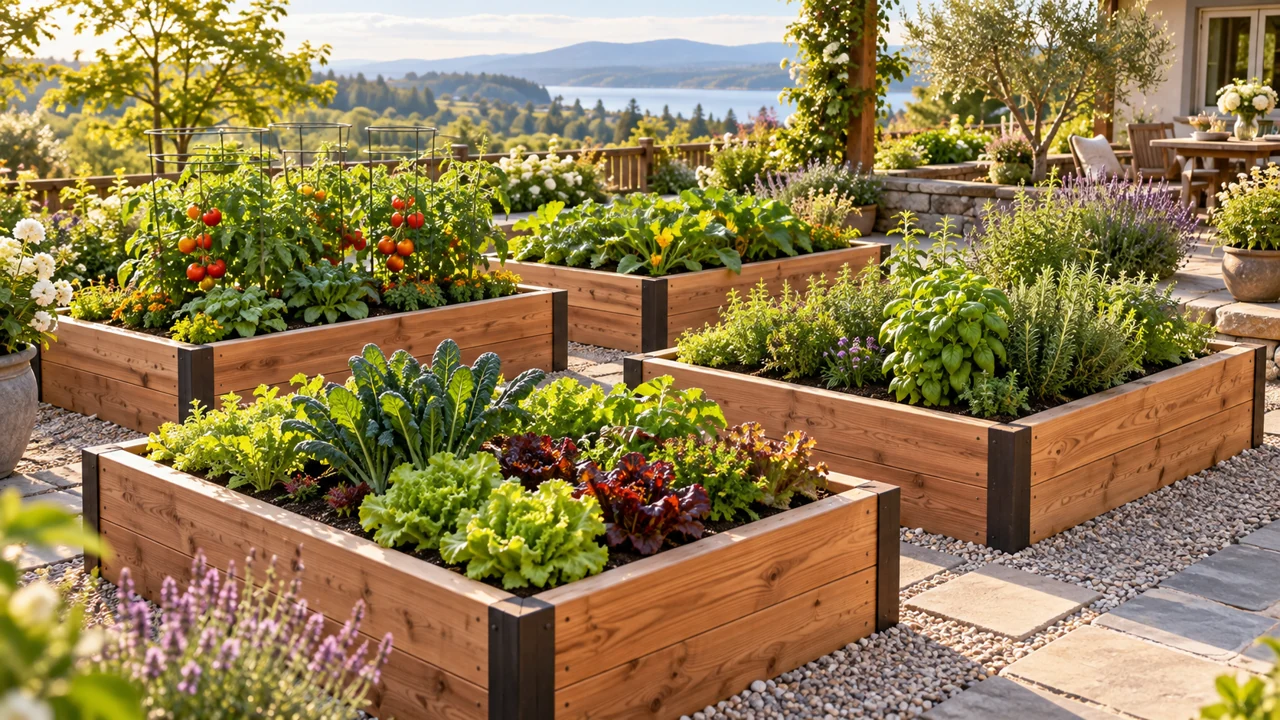
A clean starter system for gardeners who want more control, clearer borders and easier seasonal management.
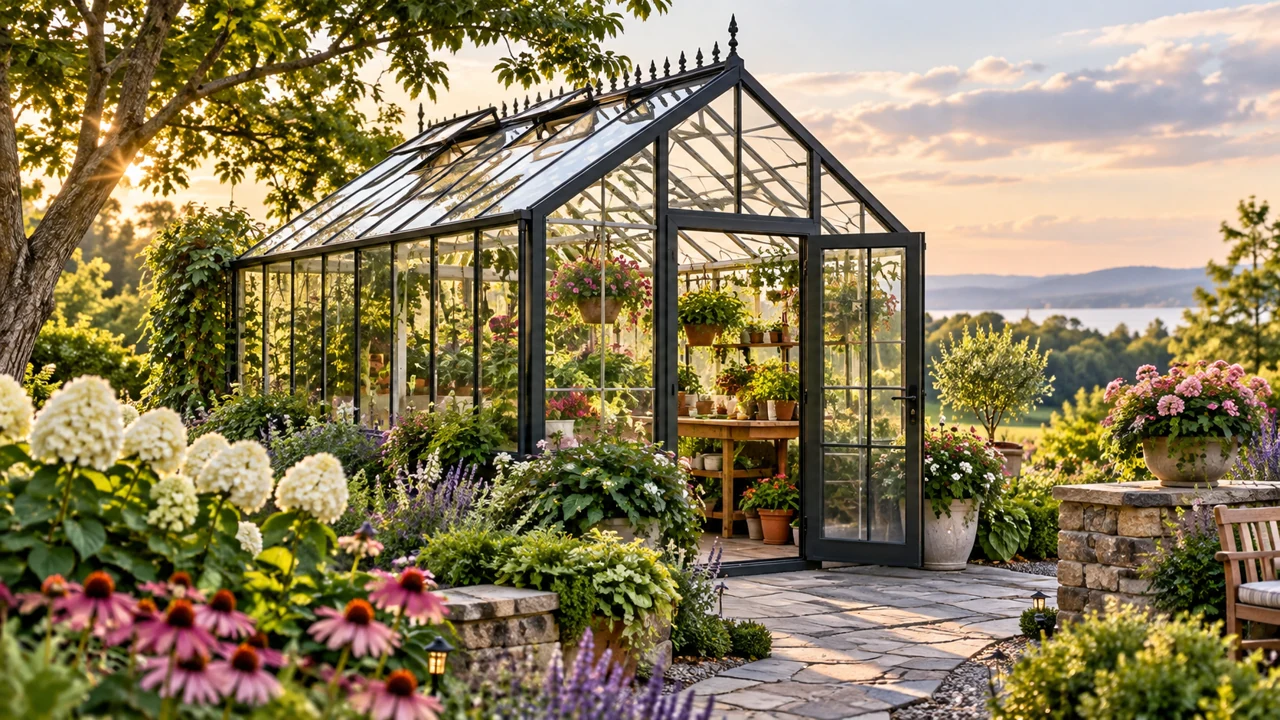
A smaller protected-growing idea for seed starting, season extension and creating a more dedicated growing rhythm.
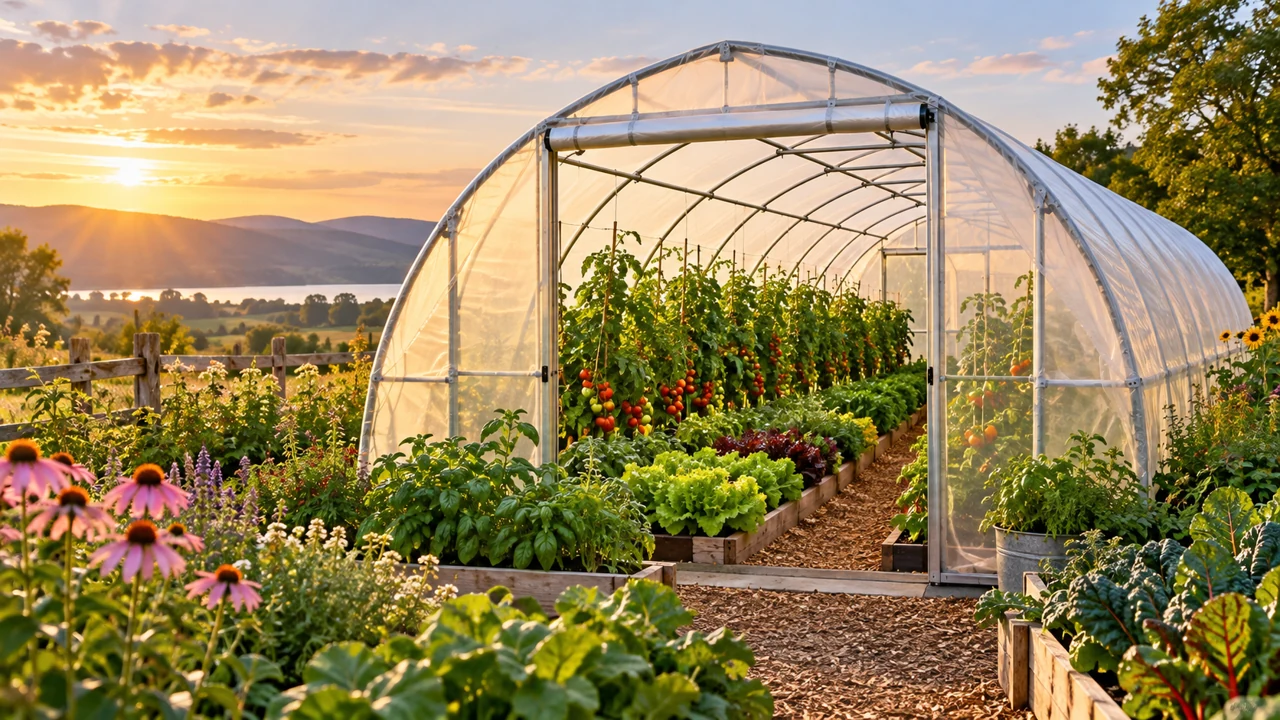
A more serious growing structure for people ready to think bigger about season extension, production and workflow.
Use practical planners to organize your beds, seasons and next steps with more confidence.
A structured visual planner for mapping projects, keeping records and turning garden ideas into repeatable action.
A calmer planning tool for indoor plant care, routines, troubleshooting notes and long-term tracking.
Use up to four garden photos, automatic image-quality checks, visual cue screening, symptoms and growing conditions to narrow likely plant, pest and disease problems with trusted Extension and USDA verification.
Build a better garden-health question with several views of the same problem. Add a whole-plant photo, a close-up and other relevant evidence, then combine visible symptoms with growing conditions. Image-quality feedback helps you see when a clearer reference photo would be useful.
The current tool screens observations and visual cues to narrow possible plant, pest or disease matches. It is not a definitive AI identification or a substitute for Extension verification. Compare the explanations and trusted references before treating a plant, then save the report to follow the issue through My Garden.
Review crop-specific signs of readiness before you harvest, cut or cure. Turn observations into a more confident next step.
Decide what to look for before you pick. Choose a crop and compare its maturity signs with the color, size, texture and other observations in your own garden. Review practical guidance for timing the harvest, handling produce and deciding when to check again.
A readiness check is most useful when it becomes part of a record. Note the variety and the signs you observed, then use Harvest Records to track the amount, quality and storage outcome. Over a season, that history can help you recognize what works for your garden and kitchen.
Look. Check. Harvest.
Keep what you learn in Harvest Records.
Three learning levels give Perennial a clear curriculum path—from accessible first steps to more advanced garden systems and leadership-minded planning.

For gardeners of all ages
Simple, visual instruction built to lower the barrier to entry and make basic gardening concepts feel clear, doable and welcoming.
For gardeners ready to plan with purpose
This level moves beyond basic care into layout decisions, sequencing, seasonal organization and practical production planning.
For serious growers and leaders
A deeper level focused on season extension, efficient systems, protected growing and the kind of planning used by committed growers.
A searchable garden knowledge center for botanical language, scientific plant terms, pronunciation, trusted databases, books, university resources and more.
Move from an unfamiliar plant name or gardening term to a useful reference. Search more than 2,700 plant records, botanical names, synonyms and garden vocabulary. Explore source-backed care information where it is available, with pronunciation and voice search on supported browsers.
Keep the records and references you want to return to in My Library. The Top 100 Gardening Books collection adds a separate reading path, with ranked editorial selections, practical uses and full book guides. Plant research, saved records and longer reading each have a clear place to begin.
Track seed inventory, trays and cells, germination, potting-up, transplant dates and repeat sowings so your garden stays productive through the season.
Follow a crop from the seed packet to transplant day. Organize seed inventory, sowing rounds, trays and cells, then record germination, potting-up and the next steps each batch needs. The tool is built for keeping several plantings understandable at the same time.
Plan repeat sowings so you can think beyond a single planting date. Check the active trays and due tasks before starting another batch, and record what happened rather than relying on memory. Saved seed and tray information feeds into My Garden alongside your other growing activity.
Statement statuary, fountains and decorative accents can become part of the garden plan—not an afterthought.

Discover statuary and garden accents selected to add structure, character and focal points throughout the landscape.
Large focal accents for beds, entries and garden rooms.
Decorative pieces that add structure, sound and personality.
Keep a chronological history of watering, feeding, soil amendments, garden observations, pest and disease treatments, and follow-up tasks.
Give everyday garden work a useful history. Record watering, feeding, soil amendments, observations, treatments and follow-up tasks in one place. A short entry made when something happens can be more useful later than trying to reconstruct the whole season from memory.
Use the Journal to connect an action with what happened next: a change in watering, a new amendment or a plant that recovered slowly. Keep observations specific and add follow-up dates where useful. Your saved activity appears in My Garden, making it easier to return to the work that still needs attention.
Turn every harvest into long-term garden knowledge with yield, quantity, quality, storage, variety and season-by-season production records.
Measure what the garden gives back. Record harvest dates, crops, varieties, quantities, quality and storage details so the productive side of the garden has a history of its own. Keep a few beds or a larger mixed garden understandable over the season.
Review crop totals and compare seasons to support the next planting plan. The numbers do not need to be perfect to become useful: consistent units and honest observations make the record easier to interpret. Pair these entries with Harvest Checker when you want to remember the maturity signs behind a successful harvest.
Bring your growing zone, garden plans, saved plants, seasonal settings, companion ideas, harvest checks and garden-health reports into one personal dashboard.
Start with a garden name, growing zone and location label, then save your profile. My Garden brings together the records already saved by the connected tools, giving your garden a home without making an account a requirement.
Return here to review layouts, saved plants, seed activity, journal entries, harvests and garden-health reports. Save your work inside each tool first so it can appear on the dashboard. This version uses the current browser: it does not automatically sync to a different phone, computer or browser.
Know what you already own, what is running low, what you need to buy, and how much your garden is costing through the season.
Check what you already own before adding another item to the cart. Organize supplies, low-stock items, shopping and wish lists, purchases and a garden budget. Keep the practical side of growing connected to the space and projects you are planning.
Use the inventory to spot duplicate purchases and turn an upcoming job into a more deliberate shopping list. Record costs as purchases happen so you can review spending alongside the season’s plans and results. Saved inventory and budget information is available through My Garden on the same device.
In-depth garden articles with clear steps, useful visuals, videos and questions to help you put each idea into practice.

A bright focal flower can also support pollinators, visual rhythm and a welcoming tone in the landscape.
Read Article
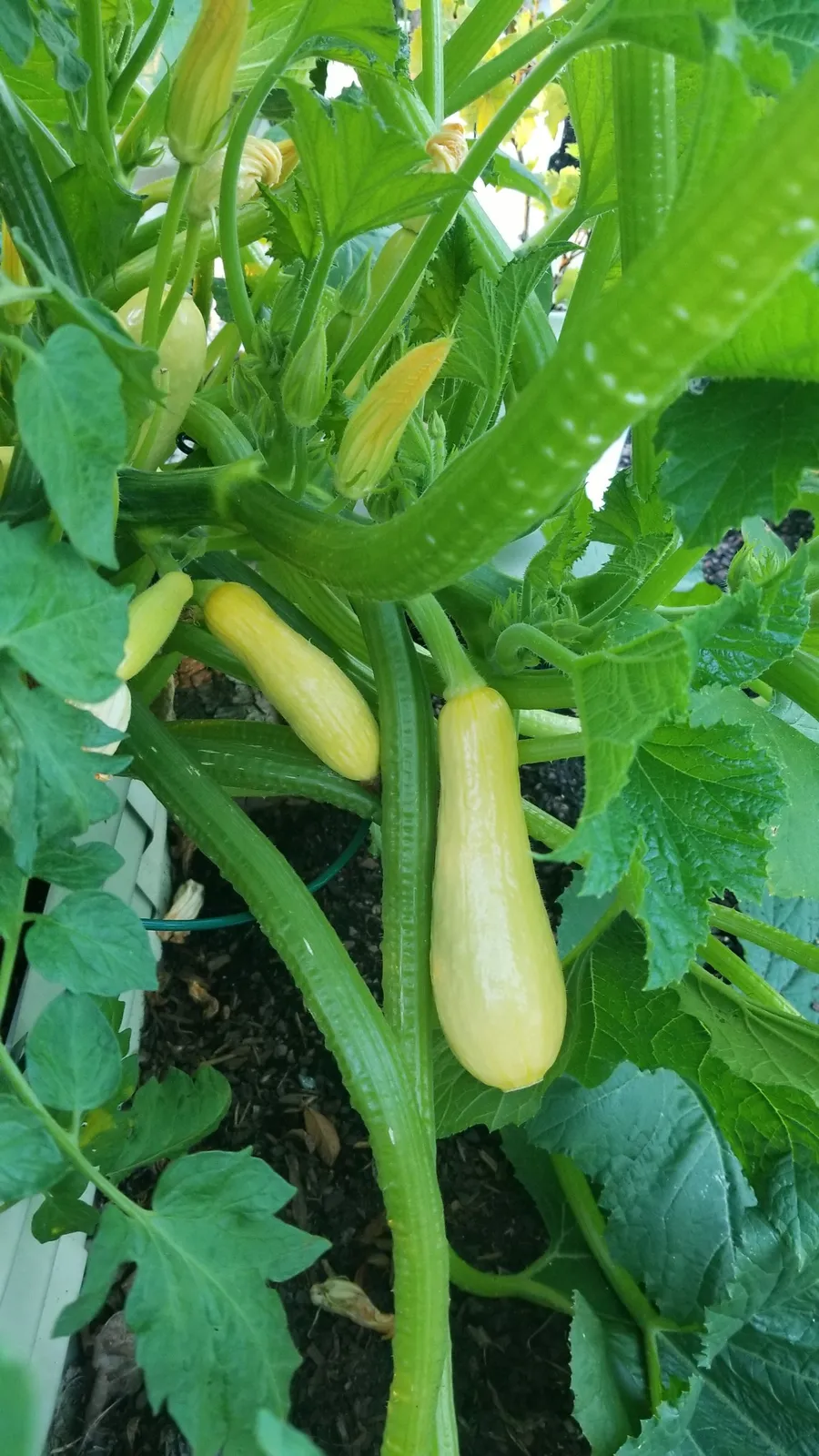
Fast fruit set, flowers and leaf growth reveal a lot about water, timing and plant vigor.
Read Article
What harvest timing looks like when you want better texture, size and kitchen use.
Read Article
Bird accents help repeat color, add personality and keep hardscape spaces from feeling flat.
Read Article
Why sculptural planters help indoor plants feel intentional rather than accidental.
Read Article
Pumpkins, squash and one focal bloom can create a seasonal display without much extra buying.
Read Article
Cardboard, edges and patience: the unglamorous stage that helps reset problem areas.
Read ArticleA single larger decorative element can create an anchor point and make the rest of the landscape read more clearly.
Read Article
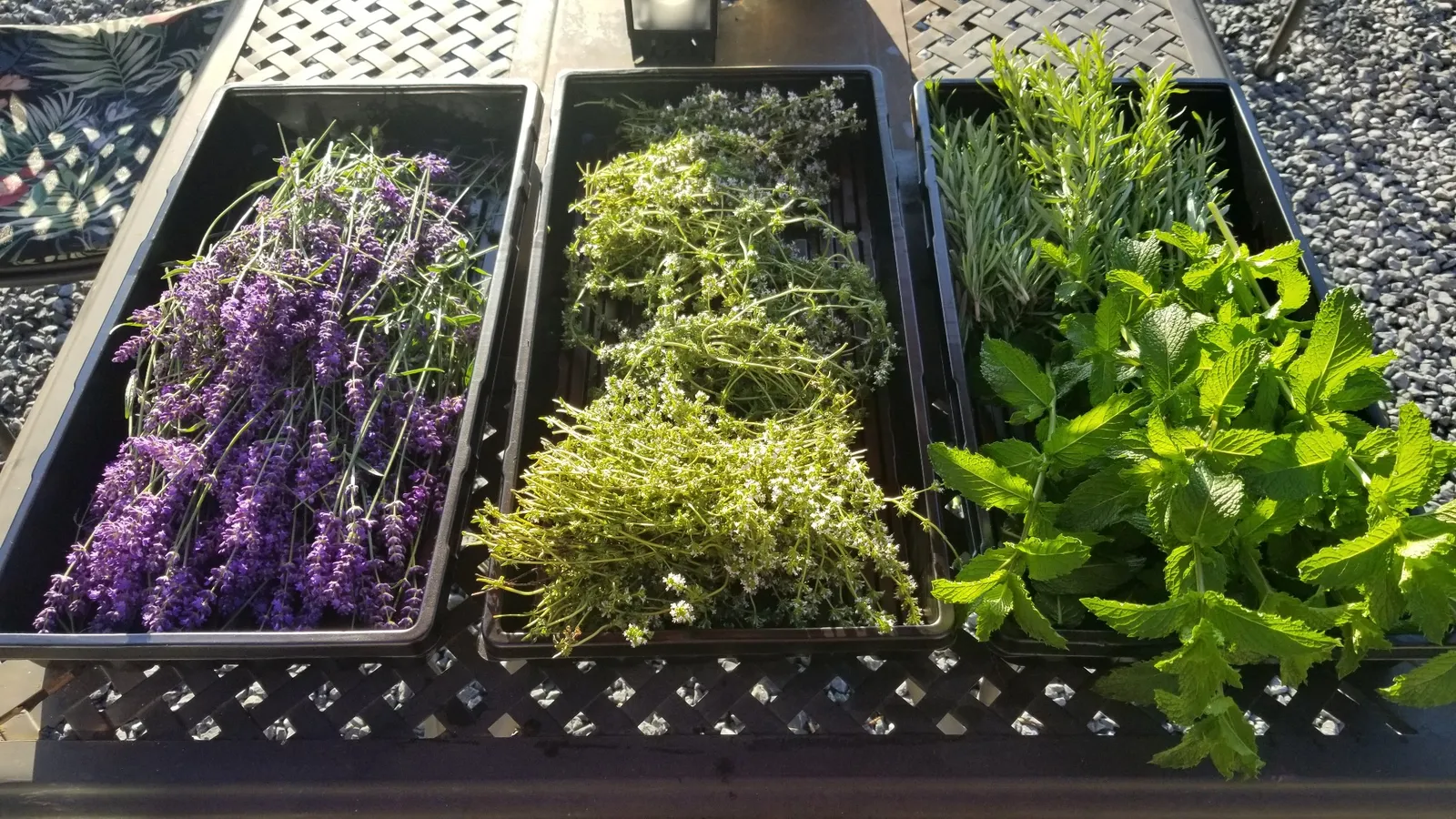
Lavender, mint, rosemary and other cuttings need different handling if you want them to last.
Read Article
Perennial Home & Gardens combines practical growing help, planning tools, education, digital products and local garden support. Food, flowers, herbs, habitat and outdoor living all belong in the same conversation.
Rooted in the meaning of perennial, we believe in creating gardens, outdoor spaces, and lasting home experiences that renew, endure, and bring beauty, nourishment, and value for generations.
Digital resources are designed for gardeners across U.S. growing zones; local services focus on the Washington metropolitan area and Southern Maryland.
Choose a reason from the menu first. The rest of the form stays simple and gives us enough context to route the message correctly.

We appreciate you visiting Perennial Home & Gardens. As a token of our gratitude, join our community and open our current resource folder. You may find additional resources there as the collection grows.
Plant Profile SheetGreat for planning, tracking and note-taking.Houseplant Care WorksheetA simple printable for home plant care and organization.This pop-up is easy to close, and it will not cover the whole site experience.