
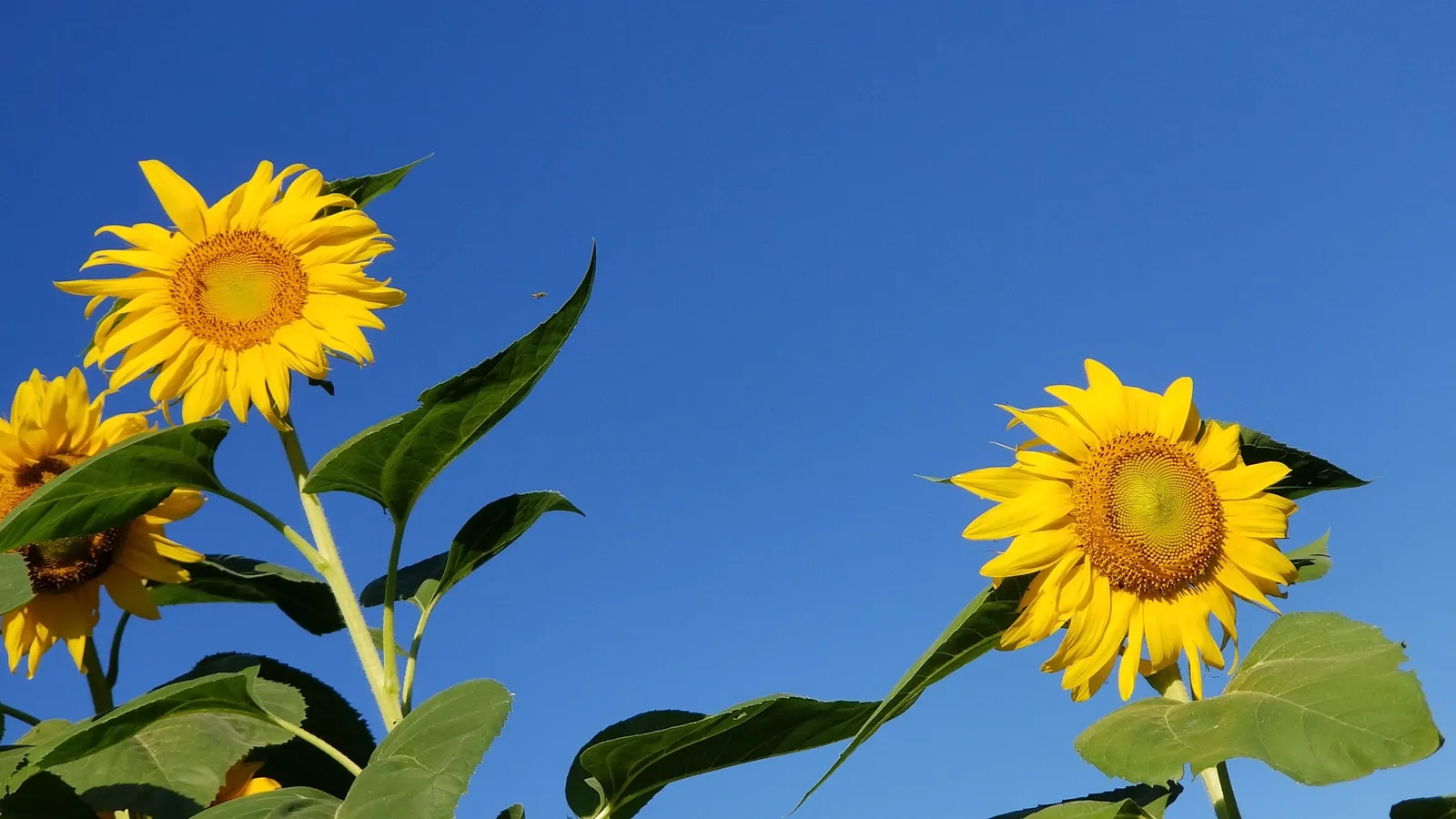
The useful idea first
A sunflower can do more than fill a vase. Choose its size and place with care, then use it to support a garden that grows food, welcomes wildlife and feels good to visit.
What you will be able to do
- Choose a sunflower type that fits your purpose and available space.
- Place flowers without losing the light and access your vegetables need.
- Observe growth, visitors and seed heads, then use those records to improve next season.
Before you begin
Try these first. Notice what you already know.
Words worth knowing
- Cultivar
- A named plant selection bred or chosen for certain traits, such as height or flower color.
- Annual
- A plant that grows, flowers and makes seed within one growing season.
- Pollinator
- An animal that carries pollen between flowers while visiting them.
- Succession sowing
- Planting small batches at different times instead of planting everything at once.
- Mature size
- The height and width a healthy plant is expected to reach under suitable conditions.
Begin with a job, not just a flower
A sunflower earns its space when you can explain why you want it. Perhaps you want a bright welcome beside the gate. Perhaps you want stems for the kitchen table. You may want to watch bees, collect a small seed crop, or give children a plant they can measure. All of these are useful goals. They lead to different choices, though. A huge seed head may fit a wildlife corner but feel awkward beside a narrow picking path.
Write down one main job and one extra benefit. For example: “I want a short row of cutting flowers, and I would like to watch the insects that visit.” This simple sentence keeps a beautiful seed display from becoming an impulse purchase. It also gives you a fair way to judge success. A plant grown for a welcoming view can succeed even when you do not harvest a single seed.
Think of the vegetable garden as a whole space
An edible garden has more parts than its crop rows. It has entrances, working edges, paths, containers and places where your eyes naturally rest. Sunflowers can make those parts easier to notice. One clear flower group may show where a path begins. A repeated patch can connect a food bed with a nearby sitting area. Flowers can also make you more willing to spend time outside, and regular visits help you notice real garden needs.
Walk the garden as a visitor first. Then walk it as the person who waters, weeds and harvests. A pleasing view should not block a hose connection or force you to reach through scratchy stems to pick beans. Mark both the pretty places and the working places on a quick sketch. The best location usually serves both. It creates interest while leaving the ordinary tasks simple enough to keep doing.
Choose a type that fits the purpose
Sunflowers are not all giant plants with one yellow head. Named selections differ in height, branching, flower form and intended use. Some are compact enough for suitable containers. Others become tall, heavy plants that need generous room. Seed descriptions may also identify cutting types, pollenless types or plants intended for seed production. These details matter more than whether the photograph looks cheerful.
Compare two possible selections before deciding. Copy their expected size and purpose into your garden notes. If one packet says the plant is large and the other says it is compact, draw each at that scale beside your bed. You do not need exact architectural plans. You need a realistic picture of the space the adult plant will use. Small seedlings can make an overcrowded plan look harmless for a few weeks, right up until their leaves spread.
Read the seed packet like a short set of directions
A packet often tells you where and how deep to sow, the spacing to use, the likely time to flower and whether a plant branches. These are practical instructions, not decorative fine print. Look for directions specific to that selection. Do not replace them with a single rule you heard about a different sunflower. A flower grown for one straight cutting stem may be managed differently from a branching garden plant.
Before opening the packet, underline three details: mature size, spacing and sowing guidance. Put the empty packet in a labeled envelope after planting, or take a clear photograph of both sides. Later, if a plant grows taller than expected, you can compare the actual result with the correct information. You will be learning from a named plant in your own conditions rather than trying to remember a general sunflower tip.
Follow the light through the day
Sunflowers generally perform best in full sun. Nearby vegetables also have light needs, and a tall flower can change the pattern within a small bed. Watch the site during more than one part of the day. A place that looks open at breakfast may be shaded by a shed or tree in the afternoon. A fence can add another block of shade as the sun moves across the sky.
Try a simple observation sheet. Divide it into morning, midday and late afternoon. Note whether the planting spot is sunny, partly shaded or shaded at each visit. Then think about the shadow a mature sunflower may cast. You are not trying to predict every minute. You are finding obvious conflicts before planting. If the only good vegetable light would be lost, choose a smaller sunflower or move the flowers to another sunny edge.
Plan for roots and water, not only the view above ground
The flower you see depends on the root space you cannot see. Avoid squeezing a sunflower into an already crowded planting just because its young stem looks narrow. Nearby crops, flowers and trees may all draw on the same soil moisture. This does not mean plants can never share a bed. It means their size and needs deserve space in the plan.
Check the planting area after rain. Water should not remain trapped around the future root zone for long periods. If the site is compacted, poorly drained or filled with construction debris, solve that problem before adding a large plant. Do not assume a tall sunflower will repair poor soil for you. Where a bed already works well, protect its structure by staying on the paths and working the soil only when its condition allows it.
Place tall plants where they do not become an obstacle
A tall sunflower near a path can lean into your shoulder, catch a hose or become hard to reach. Leave enough room to pass with a basket or wheelbarrow. Consider the direction of common winds, too. A heavy flower head is different from a light seedling. A place that feels sheltered at ground level may still expose the top of a mature plant to strong gusts.
Use a stick or a temporary marker to test height and position before sowing. View it from the door, from the path and from the neighboring bed. If it blocks an important view or makes the entrance feel tight, move the marker. This small rehearsal is especially helpful when you want a focal plant beside a patio. You can change a marker in seconds. Moving a large rooted plant later is a much harder choice.
Keep containers honest about their limits
A compact sunflower can suit a container when the plant selection, pot size and growing conditions match. A tiny decorative vessel is not a shortcut around the plant’s needs. Containers must support drainage, root growth and stable placement. They also dry at a different rate from garden soil. A pot beside hot paving may need closer checks than the same plant in a large bed.
Read the plant directions before choosing the pot. Use a suitable container mix rather than packing a small pot with heavy garden soil. Set the container where it will remain stable as the plant grows and where excess water can escape without damaging surfaces. Make the watering location convenient. If you must drag a heavy pot through the house each time it needs attention, the design is already asking more work than it should.
Start with a small planting you can observe well
A first sunflower project does not need a whole field. A few well-placed plants let you learn about growth, water, bloom timing and visitors without taking over your food garden. Small trials also make it easier to compare two selections. You can notice which one fits the space and which one needs a different position next year.
Give each trial a clear label. Record the sowing date and the name on the packet. Check the soil as the seeds establish, following the packet directions rather than watering by habit alone. If seedlings are crowded, thin them as directed instead of keeping every plant out of guilt. The goal is not to prove that every seed must survive. The goal is to grow a manageable group that has enough room to show what it can do.
Use repeated sowings as a planning tool
Planting everything at once can lead to one exciting burst of bloom followed by a quieter stretch. Depending on the selection and the length of your growing season, small later sowings may help spread the display. This is called succession sowing. It is a plan to test, not a promise that every late planting will mature before cold weather arrives.
Use the packet’s expected timing and your local season as the starting point. Choose a small second group rather than automatically repeating the full first planting. Label the groups so you can compare them. If the later group flowers too late for your needs, you have useful information for the next season. A simple table with sowing date, first flower and final useful flower tells you much more than the vague note “sunflowers were late.”
Water with attention to the growing stage
Young plants need a dependable start. Established sunflowers can tolerate some dry conditions, but that does not make neglect a useful care plan. Flowering and seed formation are important stages to watch. The right action depends on your soil, recent rain, plant size and container conditions. A fixed daily splash may wet the surface while leaving the root zone poorly supplied.
Check the soil before deciding what the plant needs. Look at the plant in the morning as well as during the hottest part of the afternoon. Record weather and watering together when a problem appears. If several different plants in one area are struggling, investigate the shared conditions rather than assuming the sunflower has a special disease. Observation helps you act on evidence and avoid adding more water to soil that is already too wet.
An example of matching sunflower space to a purpose
| Example | Example plant counts |
|---|---|
| One focal plant | 1 |
| Short border group | 3 |
| Small cutting patch | 6 |
Watch it in practice
Pollinator Gardens: Plant Selection and Garden Care — UW Extension
Give tall plants safe support when needed
Some large sunflowers benefit from support because their height and heavy heads create leverage. If you expect to need a stake, plan for it while the plant is small. A late struggle to push a large stake beside the stem can damage roots or become awkward around a crowded bed. Use materials suited to outdoor garden use and avoid sharp ends along paths.
Tie a supported stem with room for growth. A tight tie can rub or cut into the stem. Inspect supports after windy weather and adjust them as the plant changes. The support should steady the plant without forcing it into an unnatural position. Also ask whether the location was sensible in the first place. Repeatedly rescuing a tall flower from the same exposed corner may be a sign to choose a shorter selection next season.
Watch visitors without promising pest control
Sunflowers can be part of a garden that supports insects and birds. Spend a few quiet minutes watching a bloom and you may see different visitors using it in different ways. This is a chance to learn, not proof that the flower will protect every vegetable nearby. A sunflower does not make a tomato immune to disease or guarantee that a squash flower receives enough pollen.
Record what you actually observe. Write “small bee on the flower at nine in the morning” instead of “beneficial insects fixed the garden.” If you cannot identify a visitor, take a clear photo and consult a reliable local resource. Avoid spraying simply because an insect is present. First decide whether there is damage, whether it matters, and what action is justified. A flower becomes more useful when it helps you practice careful observation.
Make room for a wider flower season
One sunflower patch has a beginning and an end. A garden that supports pollinators over time needs a broader plan than one flower type alone. Look at the periods before and after your sunflowers bloom. Which suitable plants already flower then? Which ones fit your place, care limits and goals? Local native plant guidance can help you think beyond a single summer display.
Build a simple three-part list: early flowers, middle-season flowers and later flowers. You do not need to purchase every item at once. Start by noticing gaps. This exercise is useful even if you have a tiny garden, because a few well-chosen plants can provide a more steady sequence than a large group that blooms during the same brief window. Keep the edible crops in the plan so that flower choices support the whole space.
Decide how cutting fits your flower goals
Cutting a sunflower for the house changes what remains outside. If your main goal is a cut-flower patch, read the selection’s directions for stem production and branching. If your main goal is to watch seed heads develop, choose which flowers to leave. You may be able to do both in the same garden, but not with the same individual flower at the same time.
Before cutting, choose a clean container and clean cutting tool. Think about where the remaining stem will be seen and whether it will look awkward beside a path. Mark a few plants as “leave standing” if other family members also harvest flowers. A shared plan prevents one person from proudly filling a vase while another wonders what happened to the seed heads they hoped to watch. The disagreement is often about purpose, not poor gardening.
Treat seed production as its own project
A sunflower grown for seed needs time beyond the moment when the bloom looks best. Watch the head change and use guidance specific to seed harvesting if that is your goal. Birds may reach the seeds before you do, which can be welcome or frustrating depending on your plan. Decide in advance how much of the crop you are willing to share.
If you plan to eat harvested seeds, use a plant grown for an edible purpose and follow sound handling guidance. Do not eat planting seed that may have been treated. Do not assume that seed from a decorative packet has been handled as food. Keep seed used for sowing clearly separate from food ingredients. Clear labels matter here. A small harvest can be satisfying, but there is no need to turn an uncertain batch into something for the kitchen.
Notice problems early and describe them clearly
A leaning stem, damaged leaf or pale patch can have more than one cause. Start with a description. Which part is affected? How quickly did it change? Is the issue on one plant or all of them? Was there a storm, a watering change or recent digging nearby? These questions help you separate an event from a pattern.
Take a wide photo that shows the whole plant and a closer photo that shows the problem. Include the planting date and the selection name when asking for help. Avoid stacking several treatments before you know what you are addressing. If the plant is unsafe beside a path, deal with that immediate risk. For the diagnosis itself, use local Extension help or another reliable plant resource. A calm record is more useful than a long list of guesses.
Let the plant contribute after the bright petals fade
A finished flower can still have a role in the garden. A seed head may feed birds. The shape of a standing stem may add interest as the season changes. On the other hand, a broken or diseased plant beside a busy walkway may need removal. There is no rule that every stem must stay or every stem must disappear at the first sign of aging.
Make a deliberate end-of-season choice. Leave selected healthy material where it is safe and useful. Remove material that creates access problems or needs disposal because of a known disease issue. Note whether the remaining stems improve the garden or merely make maintenance harder. This is part of design, too. A thoughtful garden can show seasonal change without looking abandoned, and it can welcome wildlife without giving up safe access for people.
Keep a small record that answers a real question
Useful notes do not need to become a second job. Choose one question for the season. You might ask whether a compact type fits a patio corner, whether a later sowing flowers in time, or whether one location shades the beans. Take a photo from the same place every week or two and add a short sentence about the change.
At the end of the season, read those notes before ordering more seed. Keep what worked and change one thing that did not. For example, move the tallest plant farther from the path while keeping the same flower color. Changing one feature at a time makes the result easier to understand. You are building local knowledge about your own garden, which is more useful than collecting unrelated tips you never have a chance to test.
Put the whole lesson into one modest plan
Imagine a gardener with one food bed and a short fence beside it. The gardener wants cheerful flowers, a few stems for the table and a place to watch insects. Instead of surrounding the entire bed with tall sunflowers, the plan uses a small group on the sunny fence edge. The working path stays clear. The packet information guides spacing, and one later sowing becomes a small timing experiment.
The gardener labels the plants, keeps a few heads for observation and cuts only the stems assigned for the house. At season’s end, the notes show that the tallest selection leaned into the path, while a shorter one fit well. Next year’s plan keeps the shorter choice and moves the tall trial. Nothing about this requires a perfect garden. It requires a clear purpose, a realistic place and enough attention to learn from the result.
Try it in your own space
Sketch one bed and the path beside it. Mark morning and afternoon sunlight, then draw a sunflower at its mature size. Write one sentence about what it adds and one possible conflict. Move it on paper before you move soil.
Your next-step checklist
- Name the main purpose: flowers, seed, wildlife, or a focal point.
- Read the seed packet for size, spacing and sowing instructions.
- Leave room for paths, water access and neighboring crops.
- Keep a short record of sowing, flowering and visitors.
- Choose what to leave for wildlife and what to remove safely.
Check your understanding
Check your reasoning. You can try again.
References and further reading
Original teaching text by Perennial. These references provide deeper detail and local guidance.