
The useful idea first
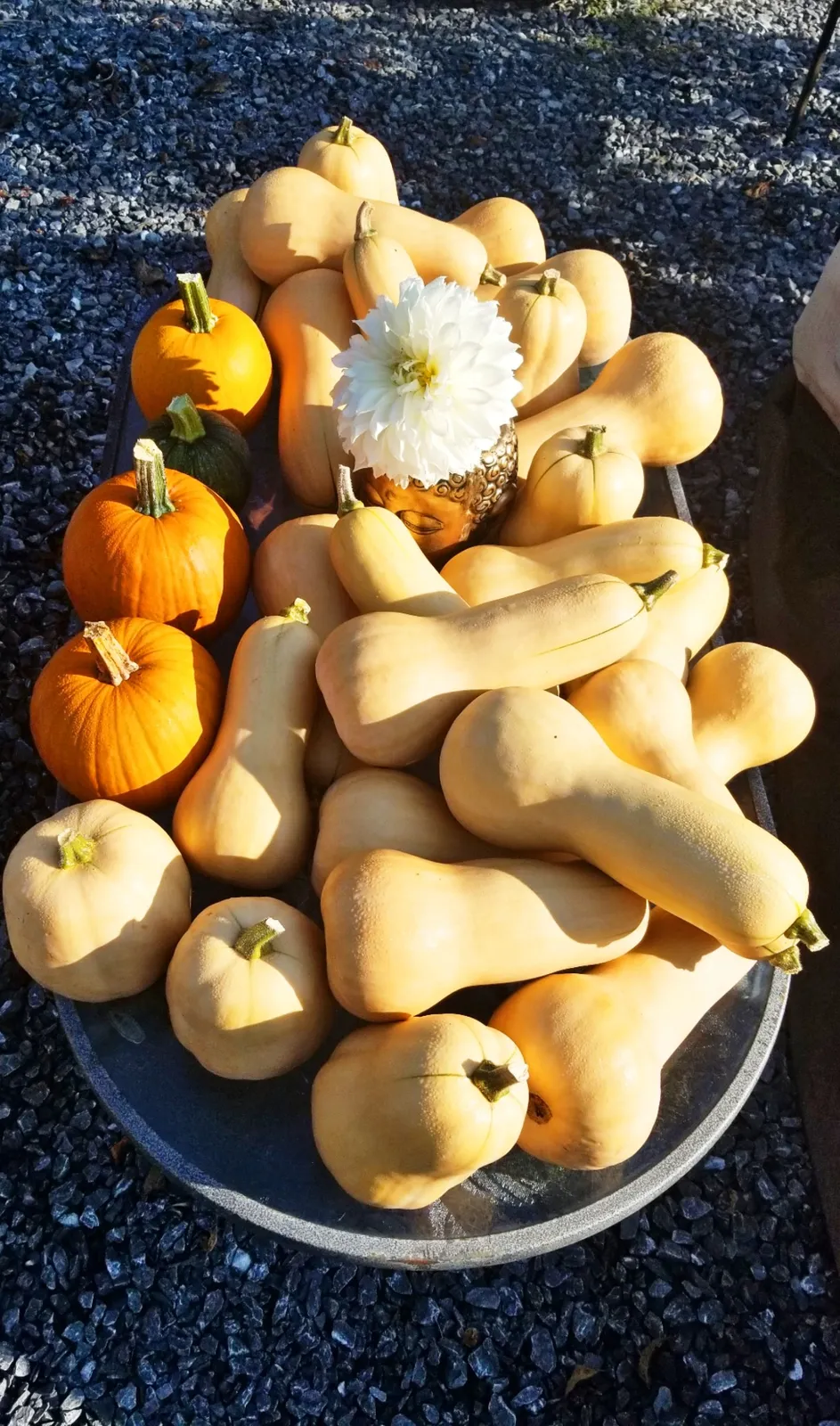
Turn a few sound pumpkins, squash and garden stems into a fall table that feels warm, useful and your own. Plan the space, protect food quality, and build a display that can change without buying a new collection each year.
What you will be able to do
- Choose harvest materials that suit a table and remain easy to care for.
- Build a low, balanced display that leaves room for people and food.
- Separate edible produce from decorative materials and plan how to reuse each part.
Before you begin
Try these first. Notice what you already know.
Words worth knowing
- Focal point
- The first thing you want a person to notice.
- Repetition
- Using a shape, color or material more than once to tie a display together.
- Negative space
- An open area that gives the eye and the people using a table room to rest.
- Curing
- A controlled period after harvest that helps suitable produce develop a stronger outer skin.
- Patina
- The change in a surface that comes with age or use.
Begin with the meal, not the pile
A fall table is a place for people before it is a place for pumpkins. Begin by asking how you will use it. Will two people have breakfast there each day? Will eight people share a holiday meal? Will dishes pass across the middle? A display that works on an entry table may block serving dishes on a dining table. Your first design choice is the space you can spare, not the number of objects you own.
Clear the table and place the things that must fit. Set out plates, glasses, napkins and one empty serving dish. Pull a chair away from the edge as a guest would. Look for areas that remain open. That is your display space. You may find that one bowl beside the wall works better than a row down the center. This small test avoids the familiar problem of making a lovely arrangement that has to move before anyone can eat.
Use a harvest palette you already have
Color can make separate objects feel like a family. Look at what is already in your home and garden. A green squash may repeat the color of leaves. A tan pumpkin may suit a wood table. Purple stems can add one quiet note without turning every object into a bright accent. Choose two main colors and one smaller accent if too many choices feel confusing. This is a design exercise, not a rule about which colors belong in fall.
Place the objects on a plain towel before arranging them. Notice whether one color stands out much more than the others. That object may become the focal point. You do not need to paint every pumpkin or match every plate. Natural differences bring life to the table. A light squash beside a dark bowl can create enough contrast on its own. Take one item away if the group looks busy. Removing something often does more than adding another purchase.
Choose sound produce for the display
Inspect each pumpkin or squash in good light. Look for soft spots, leaking areas, cracks and mold. A display can hide damage for a few days, but it cannot stop decay. Use a sound item with an intact skin rather than a bruised one that merely has a good side. A stable, fairly flat bottom also helps. Round objects that roll can bump a glass or fall when the table moves.
Treat produce meant for later eating as food throughout the display. Keep it away from craft paint, glitter, glue and unknown sprays. Do not place it where wax can drip onto it. Some decorative gourds are grown for their shells rather than as food. Keep them separate and keep their identity clear. Never decide a gourd is edible just because it looks like a squash. If you do not know the variety or its use, enjoy it as a decoration instead of serving it.
Harvest and handle with care
If your display begins in your own patch, harvest with the storage goal in mind. Use the care guidance for that crop and variety. Pumpkins and winter squash differ from tender summer squash. Follow the seed supplier and Extension advice about maturity, handling and any curing period. Cut a suitable stem with a tool rather than pulling the fruit off the vine. Carry the fruit from underneath. The stem makes a useful shape in a design, but it is not a handle.
Set the harvest on a clean, dry surface while you inspect it. Keep fruit from sitting directly in wet soil or puddles. Avoid tossing it into a cart with sharp tools. Small injuries can become the first point of rot. Label unusual varieties before bringing them indoors. A simple tag on a nearby tray can preserve the harvest date and variety without sticking anything to the skin. Good records help you choose what to use first after the display comes apart.
Make a base that protects the table
The base can be a tray, shallow bowl, washable runner or a short board with a safe finish. Choose one that is easy to lift. A removable base lets you move the entire group for meals or cleaning. It also helps protect a table from soil, water and scratches. Check the underside of a found object for rough edges or grit before it touches finished furniture. A soft washable pad can provide a useful barrier.
Think about moisture as well as color. A cold pumpkin brought into a warm room may develop surface moisture. A vase can sweat or drip. A fabric runner absorbs spills, but it can also hold dampness against wood. Lift the display now and then rather than assuming the base is doing all the work. Dry the surface before returning it. Avoid placing a wet flower stem directly on a valuable table, even when the arrangement is meant to look casual.
Keep sight lines open
Sit down before you decide the height is right. An arrangement can look low while you stand and become a wall when you sit. Ask someone to sit across from you, or place a chair where a guest will be. Can you see the person's face without leaning around a vase? Can a child reach a glass without touching the display? The answer depends on the table and chairs, so use a real test instead of a fixed height rule.
One larger object may work at an end or against a wall while lower items fill the center. If you want tall stems for a special photograph, make their container easy to lift away during the meal. A group can still feel full without being tall. Broad leaves, curved stems and a shallow bowl can give a generous outline. A display that supports conversation is doing its job, even if it looks less dramatic than a picture on a screen.
Build from one anchor
Choose one main item before placing the smaller ones. It might be a pumpkin, a wide bowl or a short vase with one strong bloom. Set it slightly away from the exact center if that suits the room. Then add two smaller objects near it and pause. Look at the group from the doorway and from a seat. A clear anchor helps the eye understand where to begin. It reduces the urge to fill every empty spot with another object.
Balance does not require mirror images. A single broad squash can balance a loose group of smaller pieces. What matters is the visual weight of the shapes, colors and textures. A dark, rough object may seem heavier than a pale, smooth one of the same size. Move objects a few inches before buying anything extra. Photograph each version with your phone. Comparing two simple pictures can make a choice clearer than trying to remember how the first version looked.
Repeat one detail to connect the group
Repetition is a quiet way to make an arrangement feel planned. You could repeat the pale color of a pumpkin in the napkins. You could use two small clay pots to echo a larger clay bowl. Repeated leaf shapes can connect plants and produce that do not share a color. Choose one detail to repeat first. If you repeat every color and shape in every place, the table may look forced rather than relaxed.
Use objects you already own for this step. A plain plate can support a squash and repeat the color of the dinnerware. A folded cloth can bring a garden color to the other end of the table. The repeated detail should help the whole space work together. It does not have to be a special seasonal product. This approach also makes the display easier to keep. When one pumpkin must be used in the kitchen, the repeated bowl or cloth still holds the group together.
Choose stems for their behavior
A fresh flower, dried seed head and leafy branch do not behave in the same way. Fresh stems need a suitable water source and regular care. Dry stems should stay dry and may shed seeds or pieces. Woody branches can be heavy, sharp or top heavy in a small vase. Select a few stems whose needs you can meet. A simple arrangement that stays in good condition is better than an ambitious one that wilts or spills across the meal.
Use clean tools and know the plants you collect. Avoid bringing unknown berries, irritating sap or prickly stems to a table where hands and food will pass. If you share the space with pets or young children, choose materials with their safety in mind. Keep all ornamental material off plates and away from food. A label that says natural does not mean a plant is safe to touch or eat. When identity is uncertain, leave the stem outside and use a familiar item.
An example plan for one small display
| Example | Items or small groups |
|---|---|
| Harvest produce | 2 |
| Existing bowl or tray | 1 |
| Fresh or dry stems | 3 |
| New extras | 0 |
Watch it in practice
How to Harvest and Store Pumpkins — University of Maine Extension
Give fresh flowers their own container
If you add a fresh bloom, use a watertight vase rather than hiding an open jar where it can tip. Check the container for cracks. Put it on a stable base and make sure the stem weight does not pull it over. A narrow vase can be easier to place among produce, but it must still hold enough water for the stems. Top up and change water as needed for the plant material you use.
Do not turn the pumpkin itself into a wet flower container if you hope to keep it sound for storage or cooking. Cutting it changes its care needs and shortens the time it can sit at room temperature. A removable inner vase may suit a short event, but the cut produce still needs food-safe handling and prompt attention. Keep a whole pumpkin as the long-lasting anchor and use a separate small vase when you want a display that lasts beyond one evening.
Leave room for everyday actions
A working table has routes, much like a working garden. People need room to set a cup down, move a dish and rest their arms. Walk through those actions after you place the display. Pass an empty serving bowl from one side to the other. Reach for the salt. Move a chair in and out. Notice where fingers, sleeves or dishes brush a stem. Adjust the design before a guest has to solve the problem for you.
For a long table, use several low groups with open spaces between them. Those gaps are useful, not unfinished. A buffet table may need a clear front edge and room behind each dish for a hand. A small kitchen table may need only one movable piece. Your arrangement should match the real surface you have. Copy the idea of a large display, such as repeated colors or a harvest bowl, rather than copying its full size onto a smaller table.
Use light without adding avoidable risk
Daylight changes the colors you see. A pale pumpkin may glow near a window and look dull in a dark corner. Try the arrangement at the time you will use the room. Turn on the usual lamps rather than judging only in bright afternoon sun. You may need fewer objects when gentle light brings out their texture. A small lamp away from the table can help without adding cords where plates and water are moving.
Keep dry stems and cloth away from flames and hot surfaces. Flameless lights can give a warm effect while reducing the fire concern, but their batteries still need care around children and pets. Do not hide a hot bulb inside leaves. Avoid setting produce on a warm radiator or in strong sun simply because the color looks good there. The best light supports both the appearance of the display and the condition of its materials. Safety is part of the design, not a final extra.
Check the display as it ages
A harvest display changes each day. Look under the produce as well as at the side facing the room. Check for dampness, softness, insects or an unusual smell. Feel the table surface beneath the base. Remove a damaged item promptly rather than trying to hide it behind a good one. If the item was meant for food, decide whether it is still suitable by food-safety guidance, not by whether you can cut away a bad-looking spot.
Build a brief care routine into something you already do. You could check the display when you wipe the table after breakfast. Lift small items, look, dry the base and replace them. Fresh stems may need a different care schedule from whole squash. Keep your arrangement easy to take apart so care does not become a chore. If you must remove twenty tied pieces to inspect one pumpkin, simplify the design while everything is still in good condition.
Plan the path from display to kitchen
Decide which items will be cooked before you arrange them. Mark that plan in your notes. A sound edible pumpkin can spend some time in a suitable display, but decoration is not a storage method. A warm dining room is not always the best place to hold winter squash for a long period. Use crop-specific storage guidance and move food to a better location when the display has served its purpose. Appearance should not cause you to lose a useful harvest.
Keep edible produce free from craft treatments and from contact with unknown plant material. Before preparation, clean and handle it as food. If a piece was cut, cooked or otherwise changed for a display, follow the time and temperature needs for that food. Do not treat it like a whole, uncut pumpkin. When you want a centerpiece with a long display life, choose a separate decorative object for that role and save your best food harvest for the kitchen.
Make a small budget serve several uses
Set a spending limit before visiting a shop. Include the base, stems, candles or lights, and any supplies you may be tempted to add. A low-cost pumpkin is not the whole cost if it leads to a new runner and six matching dishes. List what you already own. A bowl that holds fruit in summer can hold squash in fall. A plain vase can serve the garden all year. Choose useful basics when you decide something really is missing.
Compare uses rather than only prices. A washable runner that suits many meals may be worth more to you than a themed item used once. A display that can move from the dining table to an entry shelf has more flexibility. You do not need to defend a purchase with a false claim that it will last forever. Simply decide whether it solves a real problem, whether you can store it, and whether you will enjoy using it again.
Adapt the idea for a small home
A fall table can be a tray on a small shelf. You do not need a separate dining room. In a narrow kitchen, a single sound squash beside a jar of dried stems can carry the idea. Keep the counter workspace clear. On a porch table, think about wind, rain and wildlife. A stem arrangement that behaves indoors may fall apart outside. Move the same design idea into a container and setting that suit the conditions.
If storage space is limited, use more harvest material and fewer permanent ornaments. After the season, the edible items can move to the kitchen and suitable scraps can go to compost. Store one flat runner rather than a large box of themed objects. A meaningful display can also include a family bowl or a photo nearby. The feeling of fall comes from color, texture, season and use. It does not depend on owning a large collection of seasonal decorations.
Try a simple three-part arrangement
For a first attempt, gather one low bowl, one medium sound squash and a few short stems in a separate vase. Place the bowl on a washable base. Set the squash so its most interesting curve faces the room. Add the vase nearby, leaving a gap between the objects. Repeat one color with a napkin or small plate. Then stop and test the table with its everyday dishes. This gives you a clear starting point rather than an endless list of choices.
Live with the group for a day. Notice what you move during meals and what you enjoy seeing from the doorway. Those observations are design information. You may discover that the vase is unnecessary or that the whole group belongs at one end. Make one change at a time so you can tell what helped. Take a final picture and write a short note. Next fall, you will have a record of an arrangement that worked in your actual home.
Try it in your own space
Set a table for one real meal. Mark the space that remains open. Build a small harvest group from items you own, then sit down and pass an empty bowl across the table. Record one change that improves comfort and one that improves appearance. Check the underside of each produce item the following day.
Your next-step checklist
- Plan around plates, people and serving space.
- Use known materials and sound produce.
- Keep edible items away from paint, glue and wax.
- Give fresh flowers a separate stable water container.
- Keep dry stems away from heat and flames.
- Inspect the base and produce regularly.
- Move edible harvest to suitable storage or cooking while it is still sound.
Check your understanding
Check your reasoning. You can try again.
References and further reading
Original teaching text by Perennial. These references provide deeper detail and local guidance.